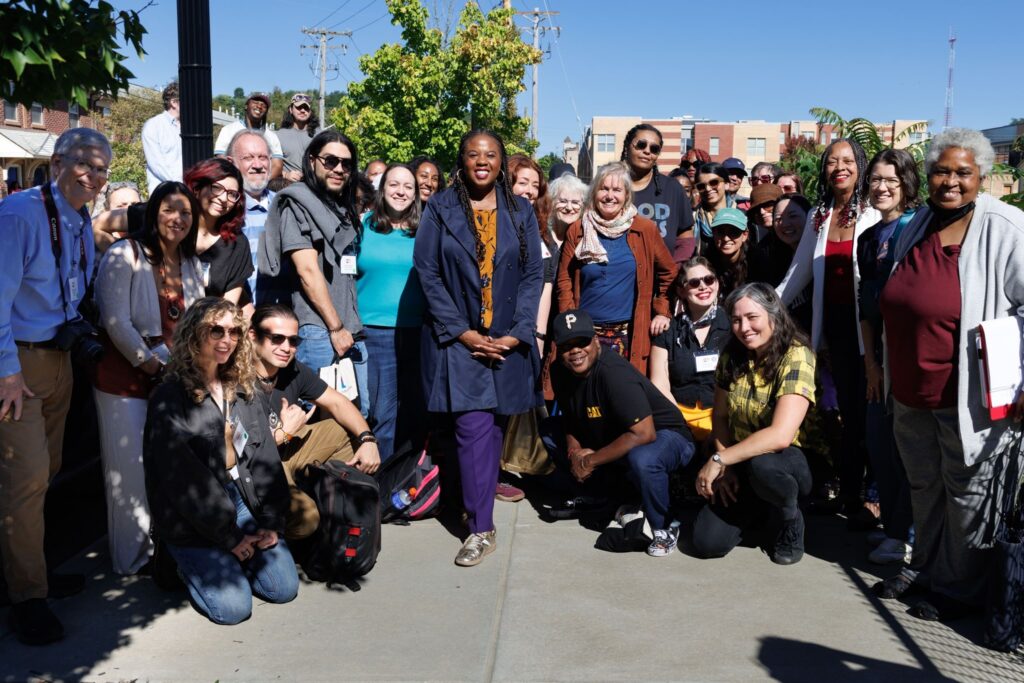
On a Thursday night in late September, members of PA Humanities’ inaugural PA Cultural Exchange fellowship gathered for the first time at the Andy Warhol Museum in Pittsburgh.
The evening kicked off much more than a three-day immersion into the rich cultural heritage of the city. It launched the 18-month cohort where leading cultural practitioners from across the state will explore how place impacts culture and vice versa, and also build connections and strengthen their own work and the communities they serve.
“We believe that what you pay attention to grows,” PA Humanities executive director Laurie Zierer said. “That’s the center of our work: to bring people together in relationship with one another, to grow not only the work they do, but to strengthen communities.”
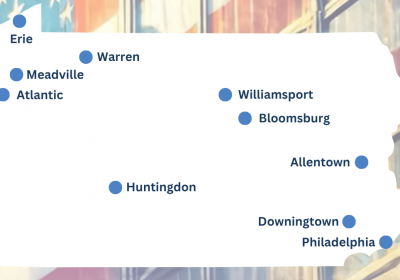
PA Humanities received close to 350 applications for the fellowship opportunity. The 49 selected fellows are from every region of Pennsylvania and will take part in both in-person and virtual gatherings over the next year and a half. They include artists, storytellers, historians, educators, organizers, scholars, librarians, filmmakers and other cultural leaders and bring a wide range of experience, disciplines and perspectives to the program.
“We were looking for people to really represent Pennsylvania in all aspects,” PA Humanities Senior Director of Content & Engagement Dawn Frisby Byers said. “We have a great mix of urban and rural cultural practitioners, and we looked at what they do in their communities, how they’re sharing stories, and how they’re advancing humanity.”
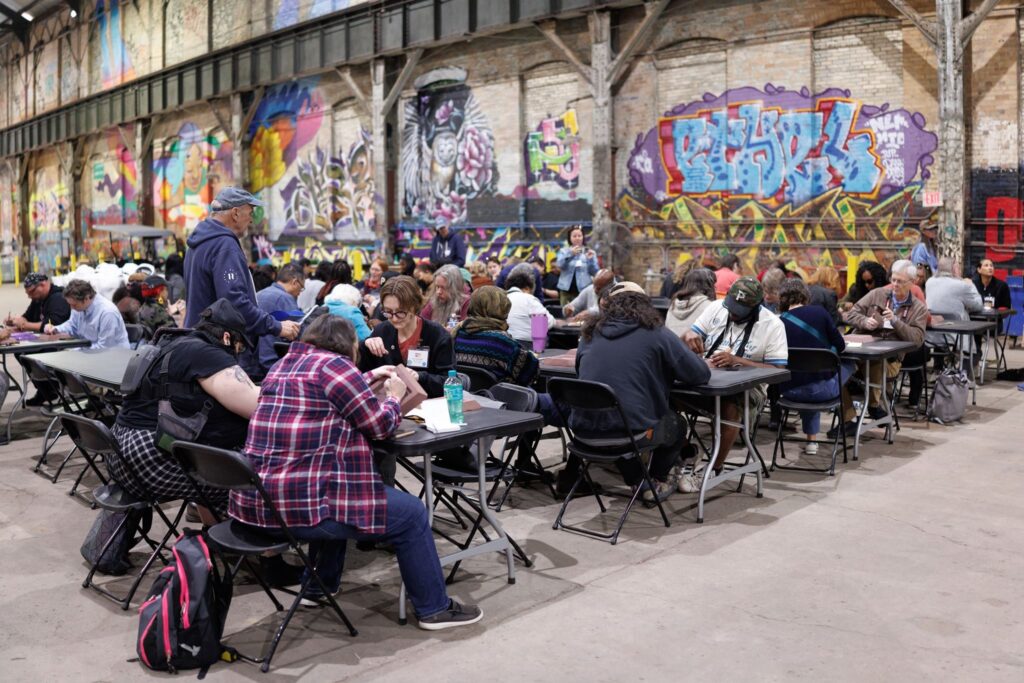
Each fellow receives $10,000 to support their individual practice, along with opportunities for professional development, peer coaching and collaboration. The fellowship represents a direct $500,000 investment in Pennsylvania’s cultural sector, with the goal of strengthening not only individual practitioners but also the communities where they work.
The Pittsburgh gathering was the first of three immersive Cultural Exchange Weekends. Fellows will reunite for a rural experience in the PA Wilds in May 2027, and see how history defines culture in York in October 2027. Virtual learning opportunities and small peer-coaching groups will help them stay connected between gatherings. The program also includes seed funding for innovative community-based projects inspired by the fellowship experience.
In addition to the Andy Warhol Museum, the fellows visited other Pittsburgh’s cultural sites including Carrie Blast Furnaces, a former industrial site and a National HIstoric Landmark overseen by Rivers of Steel that is a destination for tours, workshops, exhibitions and events that connect the region’s industrial heritage with contemporary arts and culture.They also toured to the Hill District, an historically Black neighborhood and hub of African American arts, music and culture.. Fellows toured the New Granada Theater, which is undergoing revitalization through a community-based effort, and the August Wilson House, the childhood home of the Pulitzer Prize-winning playwright whose work brought the stories of Pittsburgh’s Black community to audiences around the world.
The weekend concluded Saturday at the August Wilson African American Cultural Center, where fellows reflected on their experiences and considered how the ideas and approaches they encountered might inform their own work. They also had the opportunity to tour the exhibit on Wilson’s life and works and how Pittsburgh shaped his creativity.
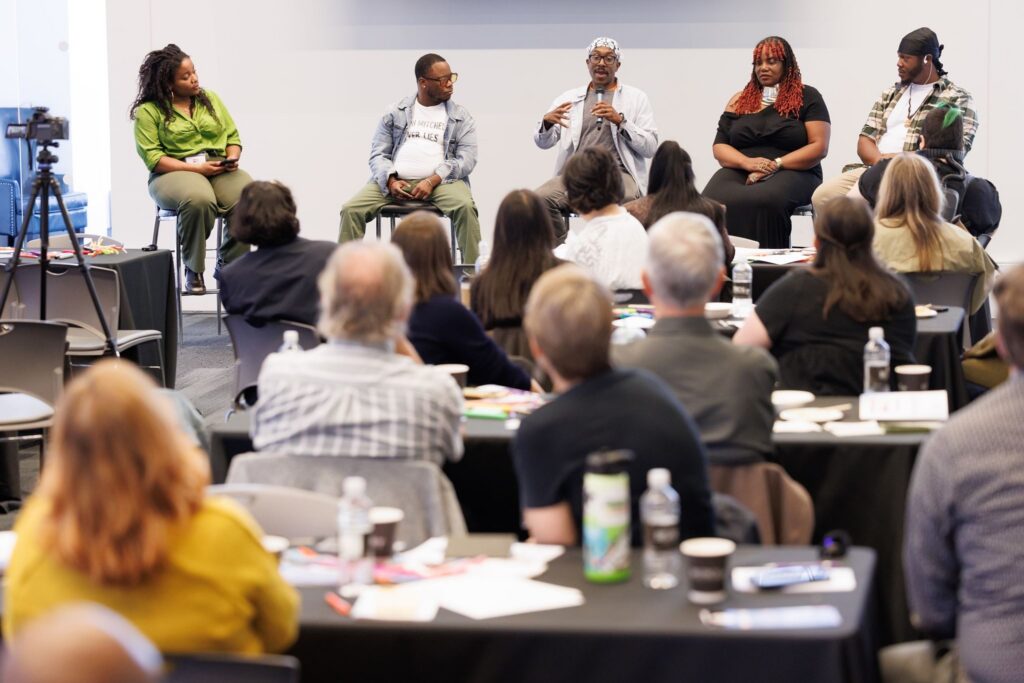
While the cultural experiences provided inspiration, the relationships forming among the fellows are central to the program. Their connections are intended to extend beyond the fellowship itself, creating a statewide network of cultural practitioners who can share knowledge, support one another and explore new opportunities for collaboration.
“There was incredible intentionality behind the three days we spent together,” fellow Clare Finin, a cultural strategist, nonprofit leader, curator and researcher from Delaware County said. “We found people on the other side of Pennsylvania wrestling with versions of the same challenges we face at home. We learned how other communities are approaching them, shared ideas, and saw culture-based community development in action. More than anything, the weekend reminded us how much stronger our work becomes through connection.”