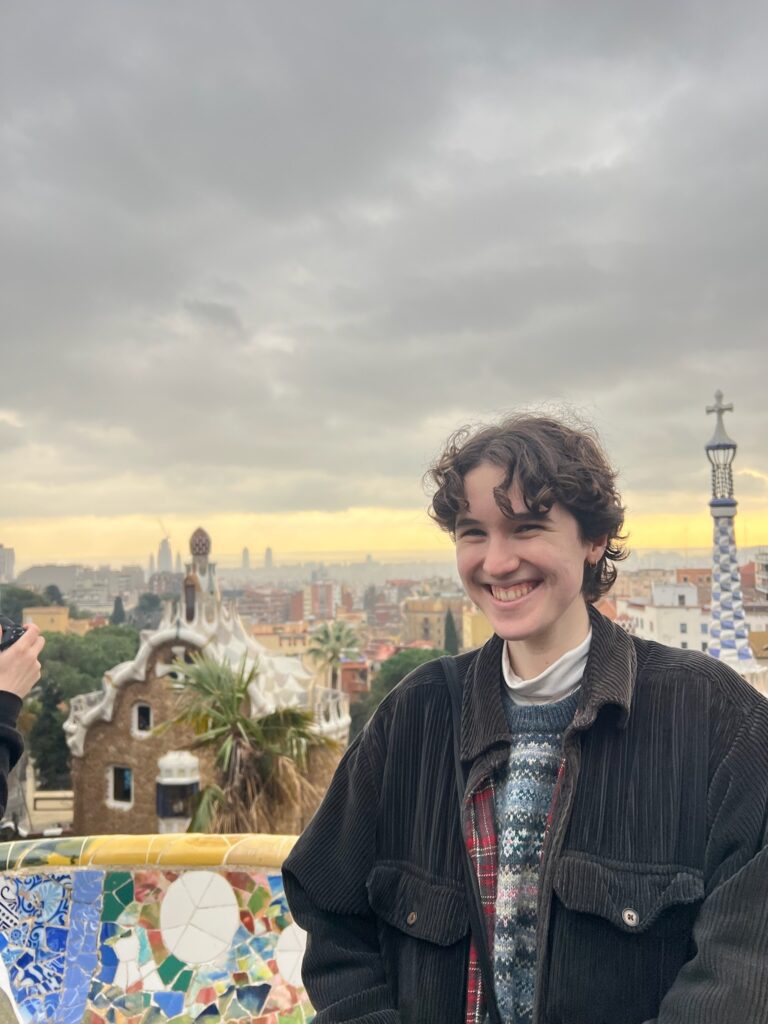
By Lucy Corrie-Tannen (PA Humanities intern, Haverford College)
If there’s one moment from this summer that will stick with me, it’s this one: sitting in my room, phone pressed to my ear, interviewing a middle schooler who participated in a PA Humanities program.
“I would really like to do the Culture with Cooking sessions again,” she says, voice desperate. “Like, year after year – it was really fun and it was a great experience and I got to make some friends.”
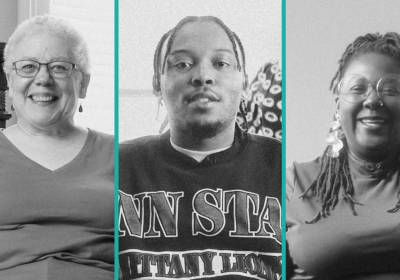
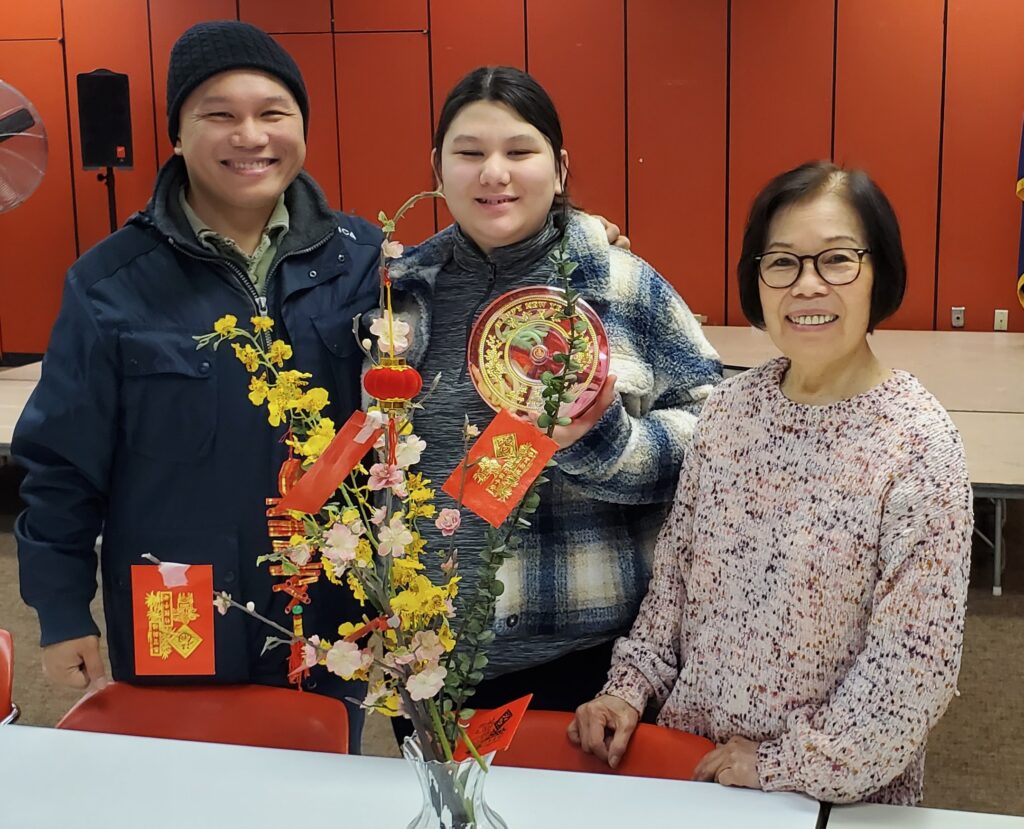
I was interviewing Arianna Vu about a Youth-Led Humanities program she participated in at the Norristown Public Library this past year. Youth-Led Humanities is an initiative that encourages young people to imagine and lead the kinds of humanities programs they want to participate in, supporting youth creativity and agency. I’d already talked to another student and a librarian about these sessions before, and they both expressed how they appreciated getting to connect and make food from different cultures together. But now, with her voice trickling through the phone, it really hit me: This matters to people. This is bringing people together. This is making people’s lives better.
I didn’t know what to expect from my time at PA Humanities. I’m a humanities major at college, and books– stories more generally– have accompanied me for as long as I can remember. I was curious, however, what exactly a humanities nonprofit did, so I was excited for this summer internship, which was funded by Haverford College’s Hurford Center.
In many ways, it was a strange time to be interning with PA Humanities. When news broke in April that federal funding for the NEH and state humanities councils had been canceled, I wasn’t even sure I would still have an internship. Yet I was able to get a taste of the vibrant humanities world in Pennsylvania during my time here, despite the cloud of worry that hovered over the office.
Through it all, I was endlessly grateful I got the chance to see how PA Humanities works up close, and to work on projects that make a difference. Most of the week I worked remotely, commuting to the office in Center City from Haverford twice a week. One of the bigger projects I worked on was helping put together data reports for PA CultureCheck, a research initiative that has tracked the situation of arts and culture organizations in Pennsylvania for the past three years. I also got the chance to write a few stories for PA Humanities’ website, dipping my toes into a journalistic style of writing that was new to me.
Throughout the summer, the most rewarding parts of my internship were those where I got to hear or see first-hand the effects of PA Humanities programming. In those moments of human connection, everything clicked.
I loved getting to talk to Vu about her experience with Youth-Led Humanities in Norristown, hearing about her presentation on Lunar New Year and the cooking sessions she attended on Kenyan, Mexican, and Pennsylvania Dutch food. Later in the summer, I thought of her voice over the phone, and the face of the other student I interviewed on Zoom, as I researched community foundations in counties that host Youth-Led Humanities programs.
I also loved interviewing Jaime Kinder, current mayor of Meadville, and getting to hear about the changes the PA Heart & Soul process had wrought in her town and in her life. PA Heart & Soul is a process designed to help towns build stronger futures by encouraging residents to share their stories and crafting a plan based on community values. In a moment when political discourse in the United States is fractured, Kinder’s tale of building community in Meadville – which I wrote about for the PA Humanities website – filled me with hope in the power of stories to connect us. As I sat in a workshop PA Humanities hosted to prepare a new set of communities for the PA Heart & Soul process, I recalled all the new initiatives Meadville had managed to introduce and looked forward to what these new communities might discover about themselves.
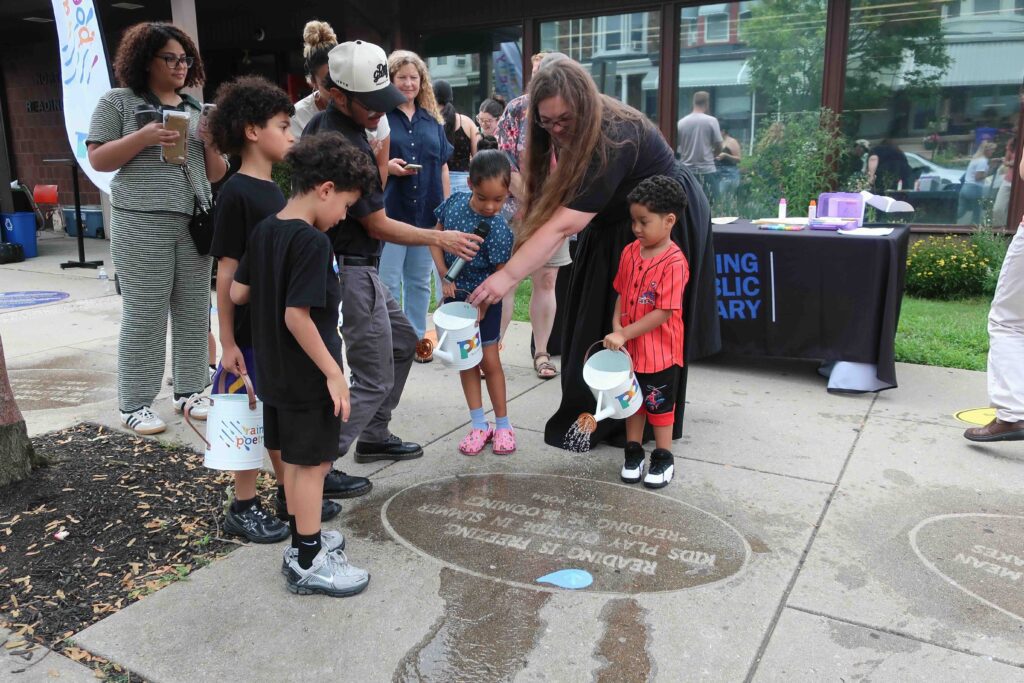
Finally, I loved getting to see Rain Poetry come to life in Reading. Rain Poetry programs introduce young people to haiku through workshops led by teaching artists, and their poems are then installed on city sidewalks and celebrated by the community. I was lucky enough to visit the reveal celebration at the Northeast branch of the Reading Public Library. I watched fascination spread across the young poets’ faces as they poured water over the pavement and were rewarded with their own words springing from between their feet, and I remembered what I’d thought while talking to Vu: This matters. Towards the end of the summer, I translated the introductory note of the forthcoming book of poetry from the Reading workshops into Spanish. As Reading has a significant Spanish-speaking population, PA Humanities ran the workshops – and will publish the book – in both English and Spanish. It was an opportunity to use my passion for translation to support a program that I had seen sparking curiosity and wonder mere weeks before.
These moments allowed me to understand just how much PA Humanities and all of the organizations they partner with do for the vibrancy of communities around Pennsylvania. Each individual story, each word shared or smile given, would have been enough to make everything worth it. At the same time, I know I only saw a tiny piece of the full picture. As I prepared to wrap up my internship with PA Humanities at the end of August, I thought about everyone who has already been touched by the humanities in the state, and then I thought of everyone who hadn’t yet had the chance to. I thought to myself: I hope they get that chance.
![[color - dark bg] PA SHARP FINAL FILES DB 72dpi](https://pahumanities.org/uploads/files/elementor/thumbs/color-dark-bg-PA-SHARP-FINAL-FILES-DB-72dpi-phgl7aimtfdpzt2rscvl43ksfv3asbbls19lsvuacw.jpg "[color – dark bg] PA SHARP FINAL FILES DB 72dpi")