
Launched in November 2024 by the Greater Philadelphia Cultural Alliance, in partnership with PA Humanities, Drexel University’s Antoinette Westphal College of Media Arts & Design, and Creative Philadelphia, Cultural Dynamics is a collaborative, community-driven effort to shape Philadelphia’s first Cultural Plan. The process convened artists, cultural workers, institutions, funders, residents, and civic partners to understand what Philadelphia’s cultural sector needs to thrive—and to mobilize the community toward collective action.
Call to action: The findings from Cultural Dynamics underscore that Philadelphia has the talent, assets, and community imagination to lead the nation in showing how culture strengthens civic life. To realize that potential, the city must:
- Unify: Strengthen connections across neighborhoods and disciplines, build shared infrastructure, and develop a coordinated sector voice.
- Amplify: Increase the visibility, recognition, and value of arts, culture, and humanities as core to Philadelphia’s identity and future.
- Invest: Commit long-term, equitable resources to the people, spaces, and systems that sustain creative work.
Speak up for Philadelphia’s first Cultural Plan. Read the full Cultural Dynamics report for how you can strengthen our city. Explore how the cultural community, legislators and policymakers, business and philanthropic sectors can analyze, take accountability, and act upon policies and recommendations.
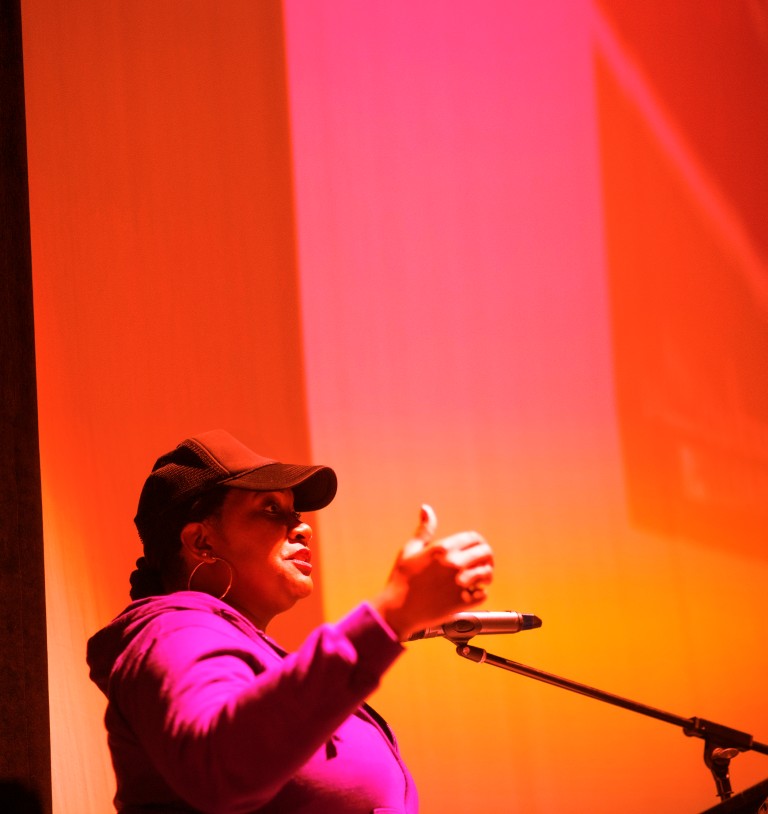
Photography by Ryan Brandenberg.
Participant quotes
Engagement & Participation
Citywide kick-off convening in November 2024 hosted at Drexel University, featuring NEA Chair Dr. Maria Rosario Jackson
500+ total participants representing arts, culture, humanities, education, civic sectors, and neighborhoods citywide
4 Community Conversations held across Philadelphia in partnership with Ensemble Arts Philly (Center City), the Charles L. Blockson Afro-American Collection at Temple University (North Philadelphia), FringeArts (South Philadelphia), and the Institute of Contemporary Art of University of Pennsylvania (West Philadelphia).
1 virtual Cultural Dynamics Insight Session to validate and refine findings
114 narrative responses to sector-wide online survey
6,000+ coded statements gathered from transcripts and surveys
What we heard
From our conversations, six core themes emerged to reflect the current needs and aspirations of Philadelphia’s cultural community, highlighting opportunities to build a more connected, equitable, and sustainable cultural ecosystem. These themes point to clear priorities—such as improving access to space, advancing fair pay, expanding funding pathways, and strengthening collaboration and advocacy—and call on civic leaders, cultural organizations, funders, businesses, and residents to work together.
Amplify Philadelphia’s Creative & Cultural Identity
Philadelphia’s cultural assets are abundant but under-recognized. The city needs a coordinated marketing strategy that elevates local artists, highlights neighborhood-based experiences, celebrates diverse histories, and increases participation—positioning Philadelphia as a premier cultural destination.
Connect People, Places & Creative Possibility
Cultural vibrancy exists citywide, yet siloed systems and uneven access to resources limit connectivity. Strengthening Philadelphia’s cultural infrastructure requires bridging geographic and disciplinary divides through shared platforms, coordinated promotion, and improved transit access.
Increase Access To Space, Facilities, and Housing
Rising real estate costs threaten the affordability and availability of studios, rehearsal rooms, live-work spaces, and other creative and cultural facilities. Philadelphia must adopt stronger zoning tools, cultural districts, historic preservation incentives, and adaptive-reuse policies to secure long-term, community-rooted creative space.
Advance Fair Pay, Livelihood, And Career Opportunities
Artists and cultural workers face low wages, unstable gig work, and escalating living costs, undermining both livelihoods and the city’s broader creative economy. Equitable pay, benefits, and clear career pathways are essential to retaining talent and sustaining cultural vitality.
Reduce Barriers To Funding
Funding opportunities remain inequitable and difficult to navigate, leaving many artists and small cultural organizations to self-fund their work. Strengthening the sector requires diversifying revenue streams, reducing grant barriers, supporting operations, and investing in historically underfunded communities.
Provide Advocacy And Visible Leadership
Verbal support from City leadership has not translated into structural investment or recognition. Philadelphia needs strong, permanent cultural advocacy—including dedicated governance, cultural representation in policymaking, and unified sector-wide advocacy—to drive lasting, equitable change.
Who we heard from
The insights and recommendations in this report come directly from more than 500+ artists, cultural workers, educators, and community partners who participated in Cultural Dynamics through conversations, surveys, and listening sessions across Philadelphia.
We wish to thank everyone who participated. Your perspectives, insights, and passion were essential to this research.
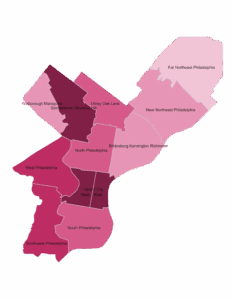

What can Philadelphia do?
The following slides are examples of recommendations that emerged from the voices and experiences of Philadelphia’s cultural community, reflecting months of listening and collaboration. They translate community insight into actionable steps that can guide the City and its partners toward coordinated, equitable implementation. Download the Cultural Dynamics report for the full list of recommendations for each theme.
Downloads
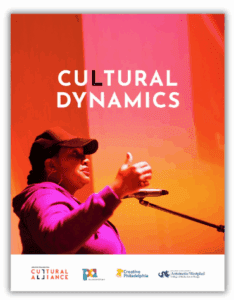
Read the full Cultural Dynamics report, a vision and action plan for Philadelphia’s cultural future.

Explore key insights and highlights from Cultural Dynamics in this concise overview.
View Report
Project Partners

The Greater Philadelphia Cultural Alliance is committed to leading, strengthening, and amplifying the voices of Greater Philadelphia’s cultural community during this planning process. The Cultural Alliance is dedicated to being a thought leader, trusted resource, and powerful advocate for the Greater Philadelphia creative sector. We are committed to driving progress through research, thought leadership, and advocacy. The Cultural Alliance serves the entire cultural sector, encompassing performing arts, visual arts, history, science, horticulture, arts education, community art centers, and other cultural organizations.
PA Humanities puts participatory research at the forefront of all their work and believes in contributing their learnings to the larger national conversation about the role of arts, humanities, and culture in creating lasting change. PA Humanities is an independent nonprofit and official federal-state partner of the National Endowment for the Humanities. They champion the humanities – and our shared humanity – as a means to build community, educate, inspire, and make change.

Drexel University’s Antoinette Westphal College of Media Arts & Design is committed to unlocking the creativity of critical thinkers, researchers, makers, and creators who connect ideas and solve real-world problems, transforming careers and lives. Drexel’s reputation as a knowledge-intensive institution has assured the University a place in the top 100 research universities in the country, with the goal to generate new knowledge and impactful solutions by growing basic and applied research and fostering transdisciplinary collaborations, both within the University and with external partners.
Creative Philadelphia provides creative and economic opportunities for all Philadelphians to thrive through the arts. They advance public access to arts and culture, collaborate with local creative communities, and celebrate the city’s cultural assets, contributing to a safer, cleaner, and greener city.

Support for Cultural Dynamics Provided By
Cultural Dynamics was made possible by the generous support of New Venture Fund, The Pew Center for Arts & Heritage, The Pew Charitable Trusts, the William Penn Foundation, and PA Humanities.